The Leading Promoter of the Great Awakening Was
Ministers traveled to cities and remote towns preaching the equality of all before. There he helped to spread the ideas of the Great Awakening religious movement.

U S History I Religion Romanticism And Reform 1800 1860 Week 12 Flashcards Quizlet
So two of the most famous preachers of The Second Great Awakening were Lyman Beecher who was based out of Ohio later in his life and you might be familiar with this name Beecher because Lyman Beecher was the father of Harriet Beecher Stowe who wrote Uncle Toms Cabin.
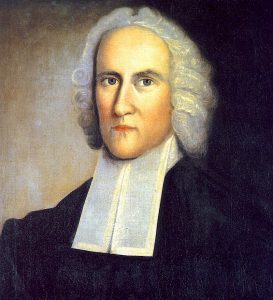
. Historian Sydney Ahlstrom described Frelinghuysen as an important herald if not the father of the Great Awakening. The leading promoter of the Great Awakening was. The revivals he led in the Raritan Valley were forerunners of the Great Awakening in the Middle Colonies.
The British won vast territory in North America after the Seven Years War but with the land came numerous problems of how to govern itConflicts arose from the inability of British officials to balance the interests of colonists and Indians which led to colonial dissatisfaction with imperial rule and ultimately to. The Second Great Awakening which spread religion through revivals and emotional preaching sparked a number of reform movements. And historians may note that as progressive platforms go it falls far short of Lyndon Johnsons the promoter of the Great Society Obama does go on to cite this incontestable fact.
The Great Awakening took hold among the Presbyterians as well. Although Whitefield had been ordained as a minister in the Church of England he later allied with other Anglican clergymen who shared his evangelical bent most notably John and Charles Wesley. Some slaves came to the colonies familiar with Christianity but most North American slaves practiced Traditional African religions.
The Second Great Awakening was a Protestant religious revival during the early 19th century in the United States. Proclamation Line of 1763 Quebec Act of 1774 and Westward Expansion. Historians and theologians identify three or sometimes four waves of increased religious enthusiasm between the early 18th century and the late 20th century.
A revival in his church in Northampton Massachusetts 1734-1735 was considered a harbinger of the Awakening which unfolded a few years later. Between 1739 and 1740 he electrified colonial listeners with his brilliant oratory. These bouts take place in the octagon which is similar to a boxing ring but has eight sides and a caged enclosure surrounding it instead of ropes.
The Great Awakening was based on a wave of rivals that were an attempt to keep churches and religion from dying in an era that believed that nature held more answers that the Bible. Revivals were a key part of the movement and attracted hundreds of converts to new Protestant denominations. Edwards was more than an effective evangelical preacher however.
Leading Episcopalian clergyman Timothy Cutler addressed the Bishop of Londons questions about the recent religious excitement in the Connecticut River Valley in New England events that usually are considered the start of the Great Awakening Part of Cutlers letter concerned Jonathan Edwards. It was a part of the religious ferment that swept western Europe in the latter part of the 17th century and early 18th century referred to as Pietism and Quietism in continental Europe among Protestants and Roman Catholics and as Evangelicalism in England under the. Through his ministry the hearts of his church members were changed.
The terms New Lights and Old Lights refer to factions that appeared within New England Congregationalism in the mid-18th century. George Whitefield was an English preacher who traveled to the American colonies. A pietist Frelinghuysen believed in the necessity of personal conversion and living a holy life.
The Great Awakening refers to a number of periods of religious revival in American Christian history. The extension of Englands North America empire west to the Mississippi B. The Second Great Awakening.
William Tennent Sr developed a school for pastors in a log cabin at Neshaminy Pennsylvania. It was around the 1720s that preachers started stressing the importance of religion faith and holy scripture. Out of this Log College came a series of young men who preached conversion sermons in a winning way.
The beliefs of the New Lights of the First Great Awakening competed with the more conservative religion of the first colonists who were known as Old Lights. The First Great Awakening also gained impetus from the wideranging American travels of an English preacher George Whitefield. The religious fervor in Great Britain and her North American colonies bound the eighteenth-century.
Thus the Great Awakening brought about a climate which made the American Revolution possible. It was the young people who responded first and experienced the regeneration of becoming new creations. From 1790 1830 a Protestant revival called the Second Great Awakening swept across America.
The New LightOld Light dispute brought on the final dissolution of the Puritan social and. Jonathan Edwards 1703-17 was the most important American preacher during the Great Awakening. Like many evangelical ministers Whitefield was itinerant traveling the countryside instead of having his own church and congregation.
The Great Awakening was an outburst of Protestant Revivalism in the eighteenth century. These events take place regularly throughout the year with each one made up of a number of different fights or bouts. The movement was a reaction to the loosened social bonds brought on by the nations westward expansion and beginning industrialization.
Jonathan Edwards a North American philosopher and theologian was one of the key figures of the First Great Awakening. An easing of frontier tensions between british colonists and indians. Which of the following was not a significant effect of the seven years war.
The Great Awakening allowed for ministers like George Whitefield and Jonathan Edwards to share their ideas about Gods vengeful supremacy and for the first time sermons were being aimed at. Great Awakening religious revival in the British American colonies mainly between about 1720 and the 1740s. Many histories of the United States talk about the Great Awakening the effort by some religious leaders and communities to revive and personalize piety in the eighteenth-century Protestant world as one of the key events.
The early rays of the Great Awakening began with Theodore Frelinghuysen of the Dutch Reformed Church in New Jersey. Each of these Great Awakenings was characterized by widespread revivals led by evangelical Protestant ministers. One of the leaders in promoting the revival was Tennents son Gilbert.
The leading promoter of the Great Awakening was George Whitefield. Obama then touts Bidens platform as the most progressive platform of any major-party nominee in history But has anyone seen his platform. The foremost evangelical of the Great Awakening was an Anglican minister named George Whitefield.
What was the Great Awakening and when did it happen. These were the questions that our class explored in the fall of 2017. Several other pastors and Christian leaders led the charge during the Great Awakening including David Brainard Samuel Davies.
An easing of frontier tensions between british colonists and indians. That the Republicans occupying the. The UFC is the leading promoter and organizer of MMA events.
The Great Awakening was a religious movement that swept across parts of.
The Great Awakening And The American Revolution Journal Of The American Revolution
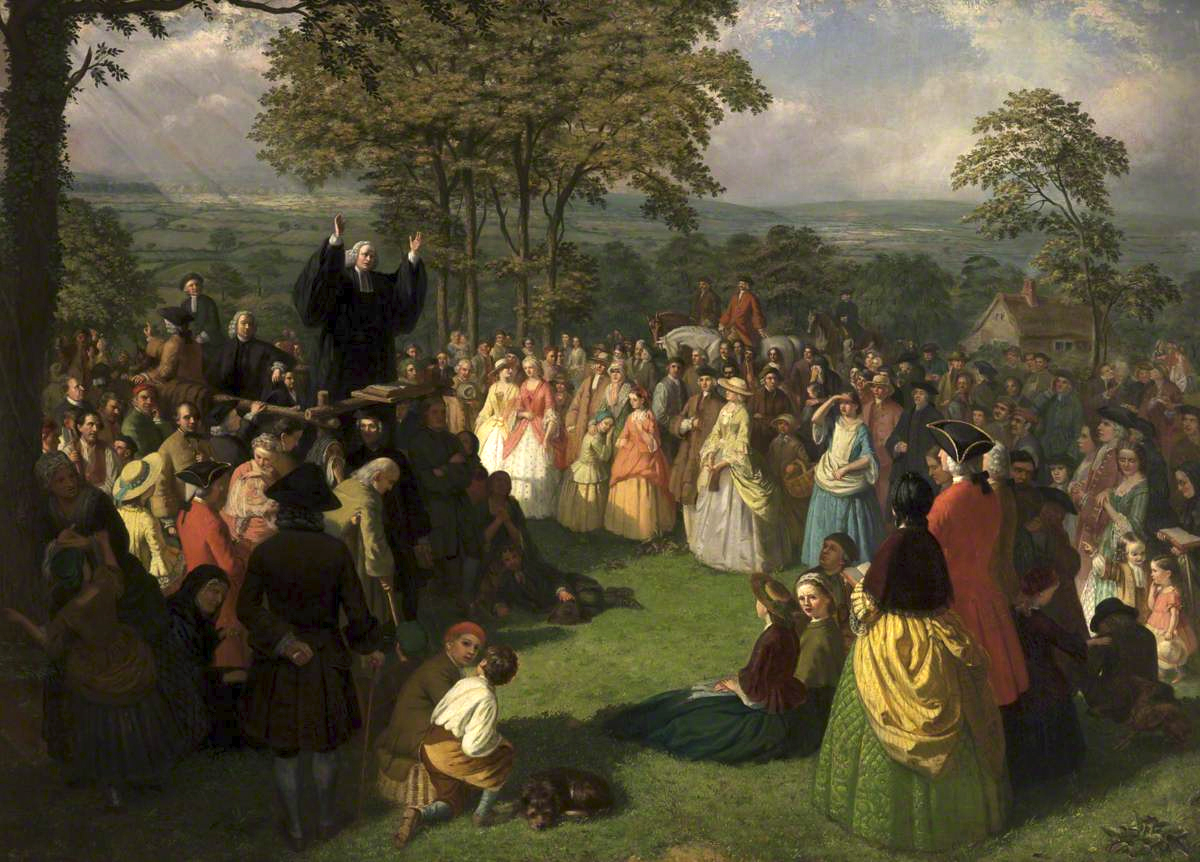
The Great Awakening And The American Revolution Journal Of The American Revolution
Chapter 4 Reading Quiz Quizizz


Comments
Post a Comment